
Design and Print Guide Sheets and Grid Books for Your Workshops & Courses
- Stuti Arora
- May 26
- 4 min read
Updated: Jul 13
When designing a course or workshop, keeping creativity flowing while maintaining organization can be a challenge. Guide sheets and grid books offer a simple yet powerful solution to this problem. These tools help participants focus, structure their work, and explore ideas with clarity. Whether you are teaching calligraphy, caricature, painting, architectural drawing, sketching, or hosting sip and paint events, guide sheets and grid books can elevate the experience for both instructors and attendees.
This post explores how these tools enhance creativity and organization, highlights an end-to-end service that supports your needs from design to print with no minimum order quantities, and provides practical examples of their applications.
The Importance of Guide Sheets and Grid Books in Workshop Design
Creative workshops thrive on freedom, but without structure, ideas can become scattered and progress slow. Guide sheets and grid books provide a framework that encourages both exploration and discipline.
Enhance Focus: Grids and guides help participants maintain proportions, align elements, and plan layouts. This is especially useful in activities like calligraphy or architectural sketches where precision matters.
Boost Creativity: By reducing the mental load of measuring or spacing, participants can concentrate on expression and technique.
Improve Organization: Structured pages keep notes, sketches, and practice exercises neat and easy to review later.
Support Learning: Clear guides help beginners understand spatial relationships and develop skills faster.
These benefits make guide sheets and grid books indispensable for instructors who want to deliver a smooth, productive workshop experience.
Comprehensive Service with No Minimum Order Quantities
One common obstacle for workshop organizers is sourcing custom materials that fit their specific needs without ordering large quantities. Our service addresses this by offering:
Custom Design: Tailored guide sheets and grid books designed to match your workshop’s theme and requirements.
Flexible Printing: Print exactly the number of copies you need, whether it’s a handful or hundreds.
Quality Materials: Durable paper and professional binding options ensure your materials last through multiple sessions.
Fast Turnaround: Quick design and print cycles to meet tight schedules.
This flexibility means you can experiment with different layouts or update your materials regularly without worrying about excess stock or upfront costs.
Applications Across Various Creative Activities
Guide sheets and grid books are versatile tools that fit many workshop types. Here are some examples of how they can be used effectively:
Calligraphy Workshops
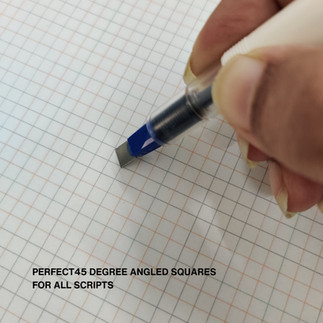
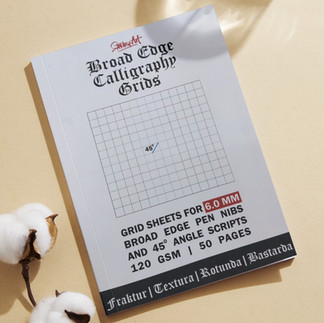
Calligraphy requires consistent letterforms and spacing. Guide sheets with ruled lines, slant guides, and spacing markers help learners practice strokes and letter shapes accurately. Grid books allow for repeated practice and note-taking on techniques.
Caricature Drawing
Caricature artists benefit from grid layouts that help them map facial proportions and exaggerate features systematically. Guide sheets can include templates or reference points to assist beginners in capturing likenesses.
Painting Classes
For painting, grid books can be used to plan compositions or practice color mixing charts. Guide sheets with color wheels or brush stroke examples provide handy references during sessions.
Architecture Drawing
Precision is key in architectural sketches. Grid books with scaled grids help participants draw to scale and maintain perspective. Guide sheets can include templates for common shapes like windows or doors.
Sketching and Drawing
Sketch artists use grids to break down complex subjects into manageable sections. Guide sheets with different grid sizes or dot patterns support various sketching styles and techniques.
Sip and Paint Events
Even casual sip and paint events benefit from guide sheets that outline steps or provide simple grids for beginners to follow. This structure helps participants feel confident and enjoy the creative process.

Tips for Designing Effective Guide Sheets and Grid Books
Creating useful guide sheets and grid books requires attention to detail and understanding your audience’s needs. Consider these tips:
Match the Grid to the Activity: Use square grids for general drawing, isometric grids for 3D sketches, or lined guides for lettering.
Include Helpful References: Add rulers, angle guides, or sample shapes to support learning.
Keep It Simple: Avoid cluttering pages with too many elements that can distract or overwhelm.
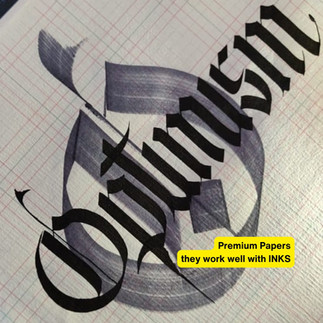
Use Quality Paper: Choose paper that handles the medium well, such as thicker sheets for ink or watercolor.
Allow Space for Notes: Leave margins or dedicated areas for participants to jot down observations or tips.
How to Get Started with Your Custom Guide Sheets and Grid Books
If you want to enhance your workshop with tailored guide sheets or grid books, here’s how to begin:
Define Your Needs: Identify the type of workshop, participant skill level, and key activities.
Choose the Format: Decide on size, binding, and paper type based on usage.
Work with a Designer: Collaborate to create layouts that fit your workshop goals.
Order Your Print Run: Take advantage of no minimum order quantities to print just what you need.
Test and Iterate: Use feedback from participants to refine your materials for future sessions.
Guide sheets and grid books are more than just paper—they are tools that unlock creativity and bring order to the artistic process. By investing in custom-designed materials tailored to your workshop, you provide participants with a clear path to develop their skills and enjoy their creative journey.
In conclusion, the integration of guide sheets and grid books into your workshops can significantly enhance the learning experience. They not only foster creativity but also ensure that participants stay organized and focused. If you're ready to take your workshops to the next level, consider exploring how these tools can work for you.
For more information on how to get started, check out Messketeers for comprehensive design solutions tailored to your needs.






Comments